
Safe Engine Bay Cleaning: Steam It Clean Without a Pressure Washer
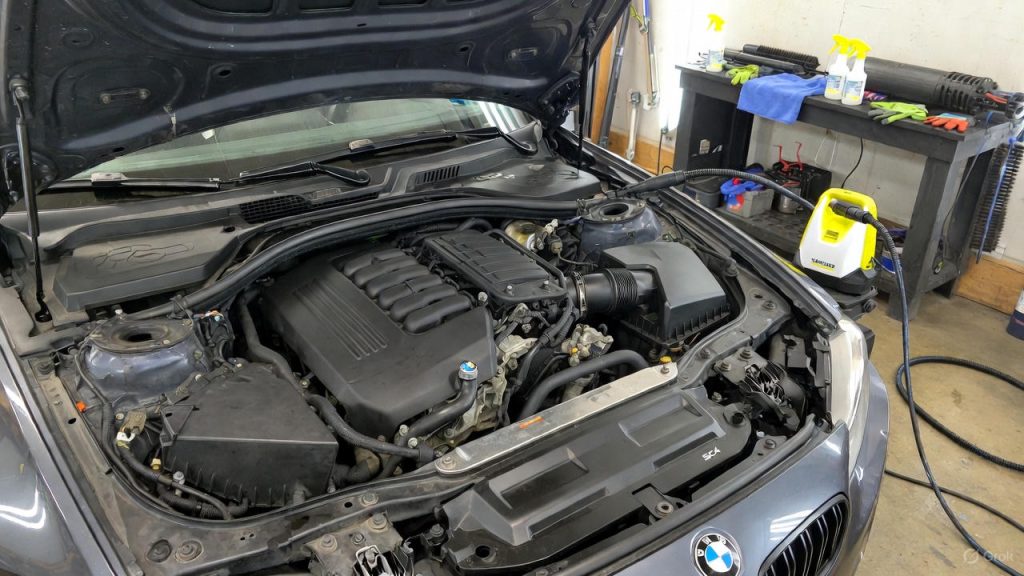
Hey folks, if you've ever stared under your hood and thought, "This looks like a science experiment gone wrong," you're in good company. Engine bays collect dust, leaves, and mystery gunk faster than a Tim Hortons line at lunch.
But forget the pressure washer—it's a recipe for water in the wrong spots and insurance headaches. Today, we're sharing a gentle, effective steam-cleaning hack that works wonders on everything from your daily commuter to that classic ride. We're demoing on a dusty BMW, but this scales to any engine. Minimal tools, zero drama. Let's get that bay sparkling.
Why Steam Over Spray? The Smart Canadian Choice
Pressure washers blast grime but can force water into electrics or wiring—yikes in our wet winters. Steam? It's hot enough to dissolve crud (and kill bacteria) without soaking components. Safer for classics or EVs, and no runoff worries for your driveway. Downside: It's slower, but the results? Chef's kiss.
Pro tip: Tackle this in spring after salt season. Warmer temps mean faster drying, less rust risk.
Your No-Fuss Tool Kit
You don't need a pro rig. These basics total under $200 if you're starting fresh—grab 'em at Canadian Tire or online.
Essential Gear List
- Steam cleaner (Karcher SC4 or similar—portable and powerful)
- Citrus pre-wash spray (Infinity Wax or any APC for grease-busting)
- Car dryer (pet dryer works great—cheap and cordless)
- Assorted brushes (soft for details, stiffer for tough spots)
- Old cloths and microfibre towels (dedicated to engines—no cross-contam with paint)
- Plastic bags or cling film (for covering sensitive bits)
Bonus: Gloves and eye protection—steam burns hotter than a Calgary Stampede chili.
Step 1: Clear the Clutter—Blow It Out First
Pop the hood and let it cool if it's been running. Grab your car dryer and blast the gutters, crevices, and fans. Leaves, sticks, and loose muck fly out like magic—no touching needed.
Work top-down: Start at the windshield base, hit the firewall, then drop to the sides. Takes 2 minutes, but it prevents dirt from raining back down later.
Power Tip #1: Dryer's Secret Weapon
Angle the nozzle into tight spots like behind the battery. It's like a leaf blower for your engine—gentle and thorough.
Step 2: Pre-Spray Smart—Section by Section
Spray citrus pre-wash on one area at a time—say, the passenger side firewall. Let it dwell 2-3 minutes to break down grease. Why sections? Sun or engine heat dries it fast, turning it sticky.
Avoid spraying the whole bay at once. For chrome or aluminum accents, citrus is king—no staining like harsher APCs might cause.
Quick question: Ever had pre-wash dry on you mid-job? What's your fix?
Step 3: Agitate and Steam—Where the Magic Happens
Dip a soft brush in the dwell spray and scrub lightly—circles for flat spots, straight lines for grooves. Then, hit it with steam while brushing. The combo lifts grime like it's greased lightning.
Move to stubborn bits with a stiffer brush; steam softens bonded gunk on plastics. For electrics like the alternator? Quick bursts only—steam's minimal moisture evaporates fast.
Cover the battery with a plastic bag if you're paranoid. Old-school towel over wiring works too.
| Area | Brush Type | Dwell + Steam Time | Pro Note |
|---|---|---|---|
| Gutters & Firewall | Soft detail brush | 3 minutes | Top-down to avoid fallout |
| Plastics & Hoses | Stiffer agitation brush | 4 minutes | Steam kills hidden bacteria |
| Electrics (e.g., Battery) | Ultra-soft, quick pass | 1 minute | Cover if nervous—safe otherwise |
| Chrome Accents | Citrus-dipped soft brush | 2 minutes | Prevents discoloration |
Step 4: Wipe, Dry, and Dress—Finish Strong
Wipe residue with an old cloth—fold it often for clean sides. Blast with the dryer to evaporate any dampness; no puddles means no corrosion.
Final touch: Spray on engine bay dressing for that showroom sheen and UV protection. Wipe evenly—avoids sling from spinning parts.
Power Tip #2: Safety First
Steam's a beast—keep hands clear of the nozzle (third-degree burns aren't fun). Lean with a towel under your arms to dodge paint scratches.
Wrap It Up—Engine Bay, Meet Fresh Start
There you have it—a clean, safe engine bay without the waterworks. Your ride runs cooler, looks sharper, and you've dodged a mechanic bill. Next up: Oil changes? This preps it perfectly. Try it this weekend; it's easier than assembling IKEA furniture. Got a greasy horror story? Spill below. Happy steaming—keep those bays bay-ing!
Related Posts: