
Ceramic Coating vs. Wax: Which One Truly Withstands -30 °C Better in Canada?
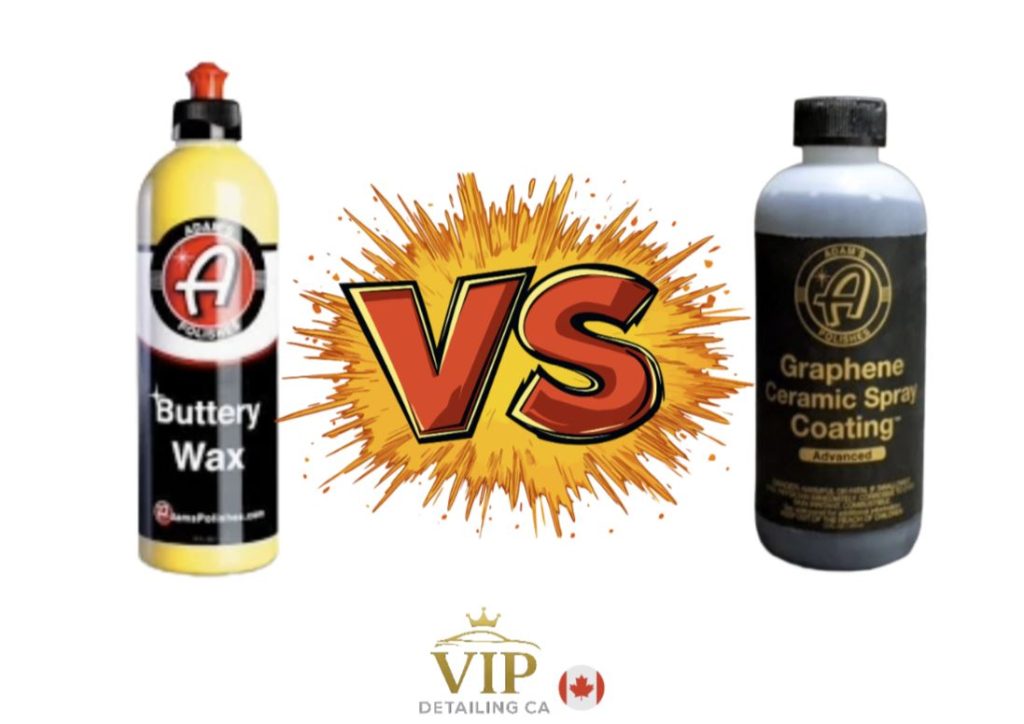
Winter in Canada is brutal on cars. Salt eats paint like maple syrup on pancakes, summer UV fades colours faster than a Leafs playoff run, and road grime never takes a day off. So when it comes to protecting your ride, the big debate is always: ceramic coating or good old wax?
We didn’t just read the labels. We tested both—hard—on real Canadian roads. A daily-driven Subaru Outback in Edmonton’s deep freeze and a Honda Civic baking under Vancouver’s pine trees. No lab coats, no marketing fluff. Just results.
The Real Cost of Protection
Let’s start with your wallet. Wax is the budget buddy: a tub of quality carnauba or synthetic paste runs $20 to $60, and you can slap it on yourself in the driveway with a cold Tim’s in hand. One afternoon, done.
Ceramic coating? That’s the investment piece. Professional application starts at $500 for a compact car and climbs to $1,500 for a full-size SUV with paint correction. But here’s the thing: it’s not a yearly expense. A solid ceramic job lasts 2 to 5 years—sometimes longer if you maintain it right.
Think of it like buying winter tires. Yeah, they cost more upfront, but you’re not replacing them every spring.
How They Actually Perform in Canadian Winters
We coated half the Subaru with wax, the other half with a pro-grade ceramic (Gtechniq Crystal Serum Light). Then we sent it into the salty abyss of Highway 2.
After One Week
- Wax side: Water beaded beautifully. Looked like a showroom floor.
- Ceramic side: Water didn’t bead—it sheeted off like rain on a freshly waxed ski.
After One Month
- Wax: Beading weakened. Salt started clinging. Weekly washes became mandatory.
- Ceramic: Still hydrophobic. A quick rinse with the hose and 90% of the salt was gone. No scrubbing.
After Three Months
- Wax: Shine dulled. Light swirls from the snow brush. Salt stains creeping in.
- Ceramic: Minor marks from an ice scraper, but zero salt etching. Still glossy.
Verdict from the prairies: Ceramic doesn’t just survive winter—it laughs at it.
Summer in the West: UV, Sap, and Bird Bombs
Vancouver’s summer is deceptively harsh. Pine sap drips like glue, birds treat your hood like a canvas, and UV rays bake paint like a slow cooker.
We parked the Civic under a tree for a month.
- A bird dropping landed on the waxed panel and etched the clear coat in under 24 hours.
- The same mess on the ceramic side wiped off with a damp cloth—no trace.
Tree sap? Wax needed aggressive cleaners and elbow grease. Ceramic? A quick spray of isopropyl alcohol and it dissolved like sugar in coffee.
Even after six months of sun, the ceramic side showed zero colour fade. The waxed side? A slight chalky tone on the hood.
The Science—Without the Snooze
Wax sits on top of your paint like a warm blanket. It’s sacrificial—it takes the hit from UV, salt, and dirt, but it wears off fast.
Ceramic coating bonds chemically with your clear coat, forming a hard, glass-like layer (9H hardness, to be exact). It doesn’t just protect—it becomes part of the paint.
It’s the difference between a rain jacket and a welded-on exoskeleton.
Can You DIY It?
Wax? Absolutely. Wash, clay, apply in the shade, buff off after 10 minutes. Use something like Collinite 845 for winter—it’s legendary for cold-weather durability. Reapply every 6–8 weeks.
Ceramic? Not so much. DIY kits exist ($100–$300), but without proper paint correction and controlled conditions, you risk hazing, high spots, or uneven curing. Pros use infrared lamps and clean rooms for a reason.
If you’re in Ontario or Quebec, look for ICBC-approved (BC) or SAAQ-certified (QC) shops—some insurance plans even cover rock chip repairs on coated vehicles.
When to Choose Which
Go with Wax if:
- You love the weekend detailing ritual
- You trade cars every 1–2 years
- Your budget is tight and you don’t mind monthly touch-ups
Go with Ceramic if:
- You plan to keep your car 3+ years
- You hate washing (or live where salt is relentless)
- You want “set it and forget it” protection
Pro move: Some detailers apply a wax topper over ceramic for extra depth and warmth. Best of both worlds.
The Bottom Line
Wax gives you that classic, deep glow and the satisfaction of a job well done. It’s affordable, forgiving, and fun.
Ceramic coating is the long-game champion. It shrugs off salt, sap, UV, and time itself. Yes, it costs more upfront—but in a Canadian climate? It’s not protection. It’s preservation.
Your car faces blizzards, heatwaves, and gravel roads. Give it the armor it deserves.
Now go check your paint. We’ll see you on the road—shiny side up, eh? 🚗❄️☀️
Related Posts: